
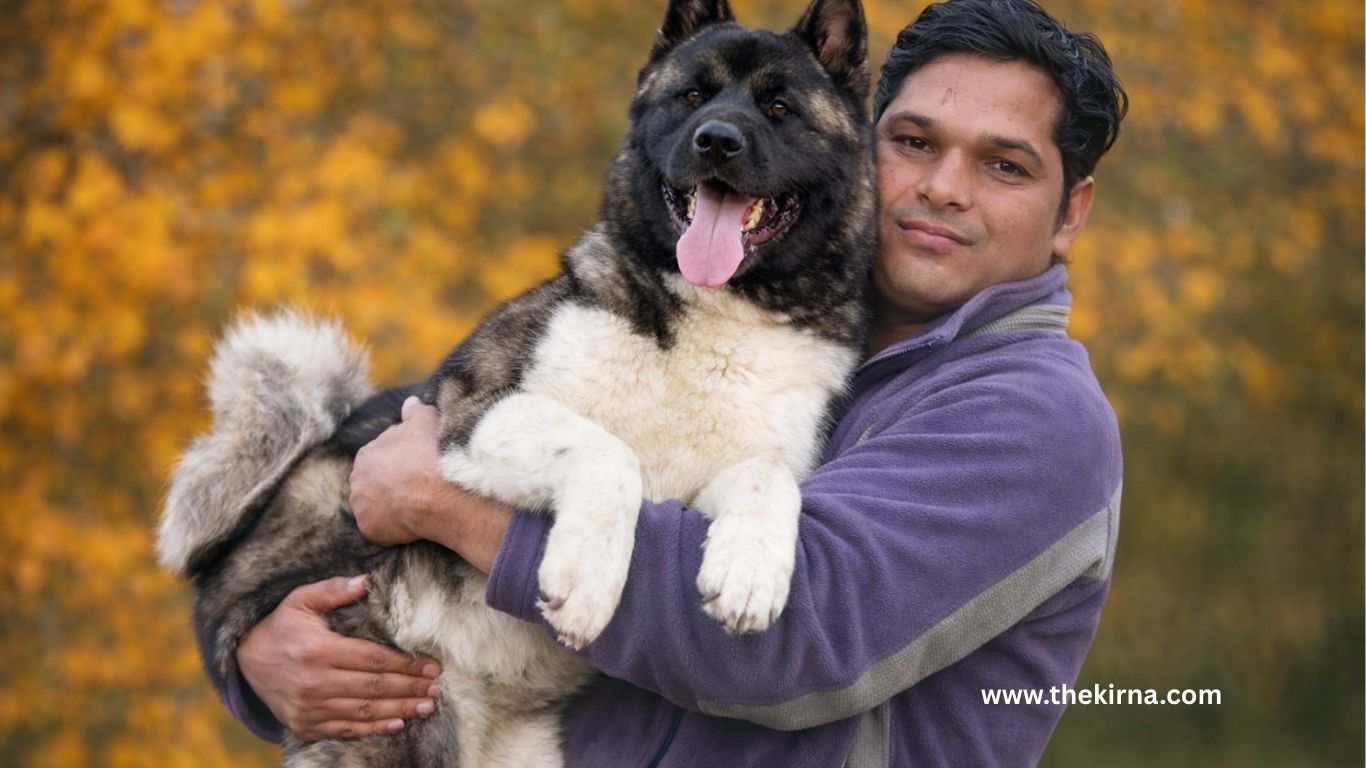
When exploring Japanese Akita Dog Breed Information, you quickly discover a dog of remarkable nobility and heart. More than just a pet, the Akita, or Akita Inu, is a loyal companion whose dignified presence and courageous spirit have earned it global admiration.
In its native Japan, the breed is deeply respected as a symbol of good health, happiness, and long life.True to its heritage, the Akita possesses a powerful, balanced build that conveys both strength and grace. This impressive physique isn’t just for show—it makes them naturally vigilant protectors devoted to their family.
The core of Japanese Akita Dog Breed Information always highlights their unique personality: a calm, patient nature at home paired with unwavering courage when needed.Ultimately, this blend of serene companionship and steadfast guardianship is what places the Japanese Akita among the world’s most revered dog breeds. They offer not just companionship, but a profound bond built on loyalty and respect.
Historical background of the akita breed
So, let’s talk about the Akita—a breed with a truly remarkable story. These iconic dogs hail from the cold, mountainous regions of Japan, where they’ve been around for over a thousand years.
Originally, they were bred as powerful hunting dogs, taking on big game like bears, deer, and wild boar. But it wasn’t just their strength that made them legendary—it was their incredible bravery and loyalty, which are woven right into Japanese folklore.
Over time, the Akita transitioned from a fearless hunter to a trusted companion and beloved family member. These days, they’re admired worldwide for their dignified presence, calm temperament, and that deep, unwavering loyalty they’re so famous for.
Not only are they strikingly beautiful dogs, but they also have a way of completely winning your heart. Their history is every bit as fascinating as they are!
The unique identity and physical features of this breed
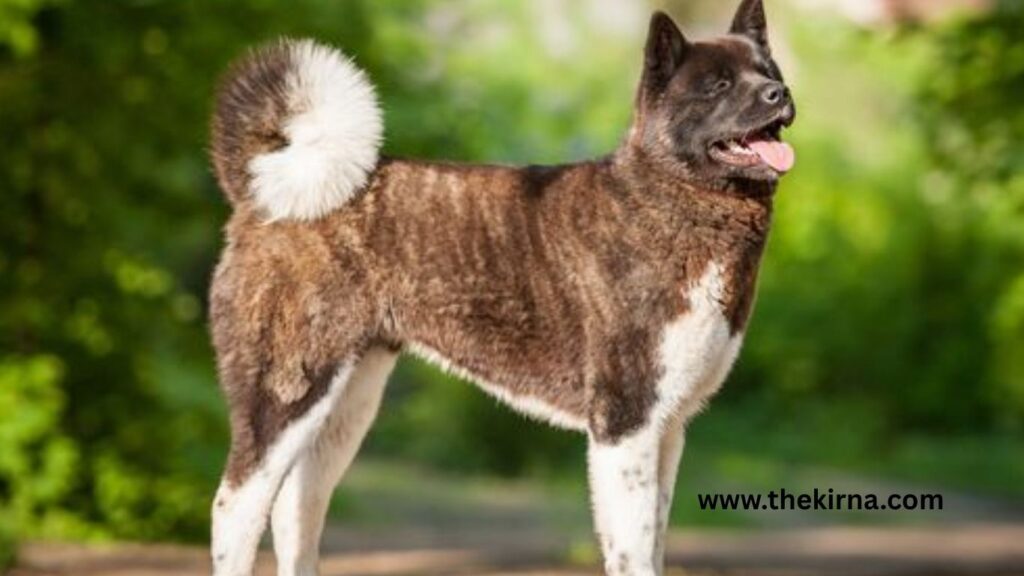
There’s something truly majestic about an Akita. They don’t just enter a room—they make a statement. This is a breed that combines powerful strength with a dignified, almost regal, presence.
Think of a built and sturdy companion, standing between two to two and a half feet tall at the shoulder. Their weight matches their substantial frame, often between 75 and 120 pounds, giving them a solid, grounded feel.
One of their most glorious features is their coat. It’s a thick, double-layered masterpiece that keeps them cozy in the coldest weather. Nature offers them in a stunning palette: from pure white and fiery red to striking brindle, sesame, and sleek black. Every shade is beautiful.
But their true signature lies in their expressive features. Their deep, thoughtful eyes and alert, triangular ears seem to read every situation. And then there’s that magnificent tail—carried high and curled over the back in a perfect, fluffy crescent. It’s their proud flag and artistic flourish, all in one. Together, these traits create a look that is uniquely and unmistakably Akita.
How Akitas Behave with Children
When considering an Akita for a family with children, it’s important to understand their unique personality. Akitas are famously loyal and deeply protective of their home and family, which can make them wonderful guardians for kids they are raised with.
They are often described as dignified, patient, and remarkably clean, sometimes even cat-like in their demeanor. A well-socialized Akita can form a gentle and tolerant bond with the children in their own household.
However, this protectiveness comes with important considerations. Akitas have a strong, independent nature and may not naturally tolerate the unpredictable movements, loud noises, or intrusive hugs that young children often exhibit.
They are not typically the playful, forgiving “nanny dog” of some breeds. Supervision is absolutely non-negotiable. Interactions should always be calm and respectful, with children taught never to bother the dog while it’s eating or sleeping.
Early, positive socialization and consistent training for both the dog and the children are the keys to building a safe and harmonious relationship. With the right foundation, an Akita can be a child’s steadfast and devoted companion.
Long-term benefits of proper training and socialization
Think of proper training and socialization not as a checklist for a well-behaved puppy, but as a lifelong investment in a happy, confident, and harmonious companion. The true rewards unfold over years, building a foundation of unwavering trust and clear communication.
This early effort prevents anxiety and fear-based behaviors from taking root, leading to a dog who is relaxed and adaptable in various situations—from a busy vet visit to a quiet evening at home. Ultimately, this translates into a stronger, safer bond.
You gain a trusted friend who understands boundaries, enjoys outings, and enriches your life with their stable and joyful presence. The time you put in today ensures countless stress-free tomorrows together.
Japanese akita personality in a family environment
The Japanese Akita, with its noble and dignified presence, often carries a misconception of being a distant companion. However, within the trusted circle of a family, this loyal breed reveals a profoundly devoted and gentle heart.
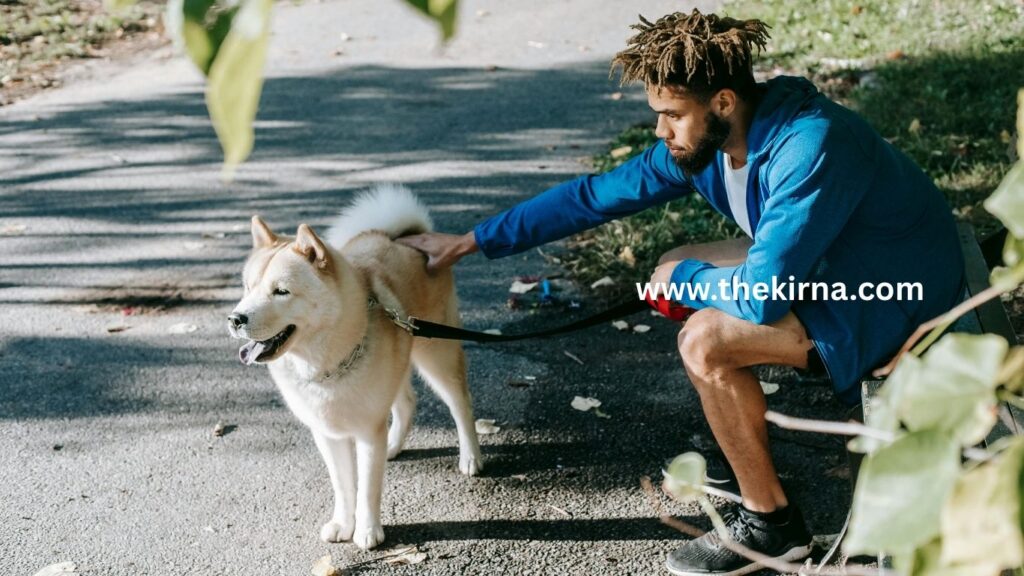
Akitas form deep, unwavering bonds with their human pack, often choosing a special person while still offering quiet affection to all members. Their calm and patient nature makes them surprisingly tolerant with respectful children, especially when raised together. You won’t find a constant shadow in an Akita; they cherish their independence and prefer a serene, predictable home.
Their famous loyalty translates into a natural, reserved watchfulness, making them excellent guardians who will quietly place themselves between their family and any perceived threat. For a household seeking a clean, dignified, and profoundly faithful companion—not an overly exuberant one—the Japanese Akita offers a unique blend of quiet love and majestic strength.
They thrive with experienced owners who understand their need for consistent leadership within a loving, structured environment.
Caring for that thick coat without making grooming stressful
We’ve all been there—the epic battle with the brush, the flying fur, and the pet who seems to think grooming is a form of torture. For owners of fluffy companions, maintaining that magnificent thick coat can feel like a daunting chore.
But it doesn’t have to be a struggle! The secret isn’t just about the right tools; it’s about shifting the entire experience from a chore to a connection. By keeping sessions short, positive, and full of rewards, you can transform grooming into a peaceful bonding ritual.
Think gentle detangling, happy praise, and tasty treats. It’s about working with your pet’s natural rhythm, not against it, to ensure that beautiful coat stays mat-free and your furry friend stays happy. Let’s make grooming a time you both look forward to
Is dry food or wet food better for japanese akitas
Choosing between dry kibble and wet food for your majestic Akita isn’t about one being universally “better.” It’s about what best supports their specific needs. Akitas are prone to joint issues like hip dysplasia, so a diet supporting healthy growth and weight is crucial.
High-quality dry food is often recommended for its dental benefits—helping reduce tartar—and its convenience. It’s also typically more calorie-dense, which is efficient for this large breed.However, wet food can be a fantastic tool for hydration, which is vital for urinary tract health, and is often more palatable for picky eaters.
Many owners find a mixed feeding approach works wonderfully: using a measured amount of premium dry kibble as the nutritional base and adding a spoonful of wet food as a tasty, hydrating topper. This combines the benefits of both. Always consult your vet to tailor the choice to your individual dog’s age, activity level, and any health considerations.
Japanese Akita health and diseases
When you welcome a Japanese Akita into your life, you’re embracing a noble and loyal companion known for its dignified presence. To ensure a long, vibrant life for your Akita, being proactive about their health is key.
This majestic breed is generally robust, but like all purebreds, they can be predisposed to certain conditions. As a responsible owner, it’s wise to be informed about potential issues such as hip dysplasia, certain eye conditions like progressive retinal atrophy (PRA), and autoimmune disorders.
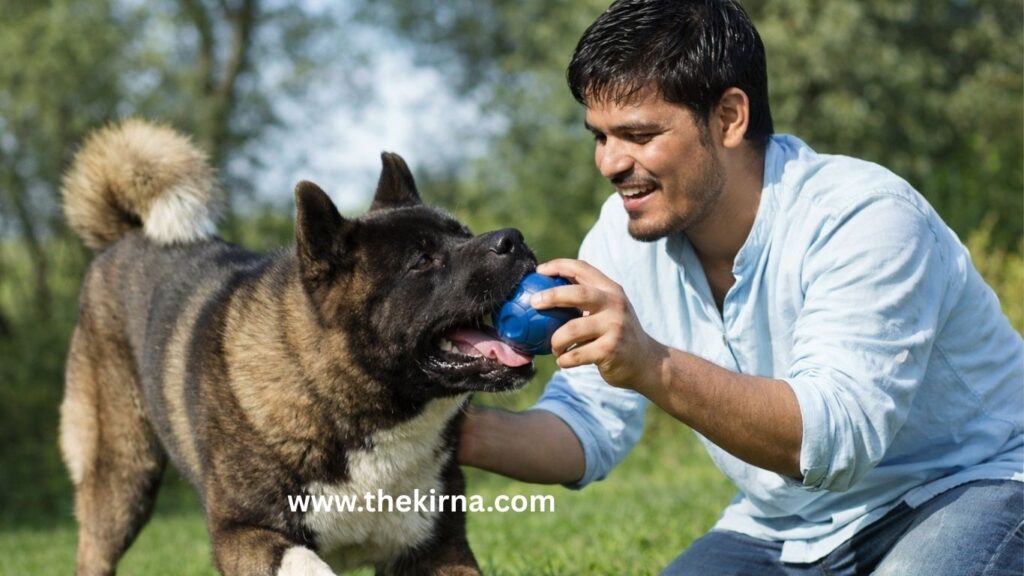
The cornerstone of their wellbeing is a combination of excellent nutrition, regular, appropriate exercise, and most importantly, consistent veterinary care. With loving attention and preventive check-ups, your magnificent Akita can thrive as your faithful friend for many years to come.
FAQ
Akitas are strong-willed, independent dogs. Without proper training, early socialization, and good exercise, their confidence can become challenging. Deeply loyal and protective of their family, they are often reserved with strangers. This breed is best for experienced, confident owners who can provide consistent, positive guidance. With the right upbringing, an Akita matures into a calm, steadfast, and profoundly loyal companion.
Akita Prefecture in Japan is celebrated for its hearty and unique local dishes. A standout is Kiritanpo, where pounded rice is shaped around skewers and cooked in a savory hot pot with chicken and vegetables. Don’t miss the silky Inaniwa udon noodles or Hatahata sushi, made from seasonal sandfish. These foods beautifully showcase Akita’s rich, rustic flavors and reliance on fresh, local ingredients.
To calm an Akita, first stay calm yourself—they pick up on your energy. Ensure they get daily exercise to release pent-up energy. Use positive reinforcement like treats and gentle praise for calm behavior. Avoid scolding or force, which can heighten stress. Offer a quiet, comfortable spot where they can relax. Consistent training and early socialization help them feel secure. Patience and a steady routine build trust over time.
An Akita, like all dogs, needs constant access to fresh water. A general guideline is about 1 ounce of water per pound of body weight each day. For an Akita typically weighing 70-130 pounds, this means roughly 70-130 ounces (or 9-16 cups) daily. Adjustments should be made for activity level, weather, and diet. Always monitor your dog to ensure they’re drinking enough to stay healthy and hydrated.