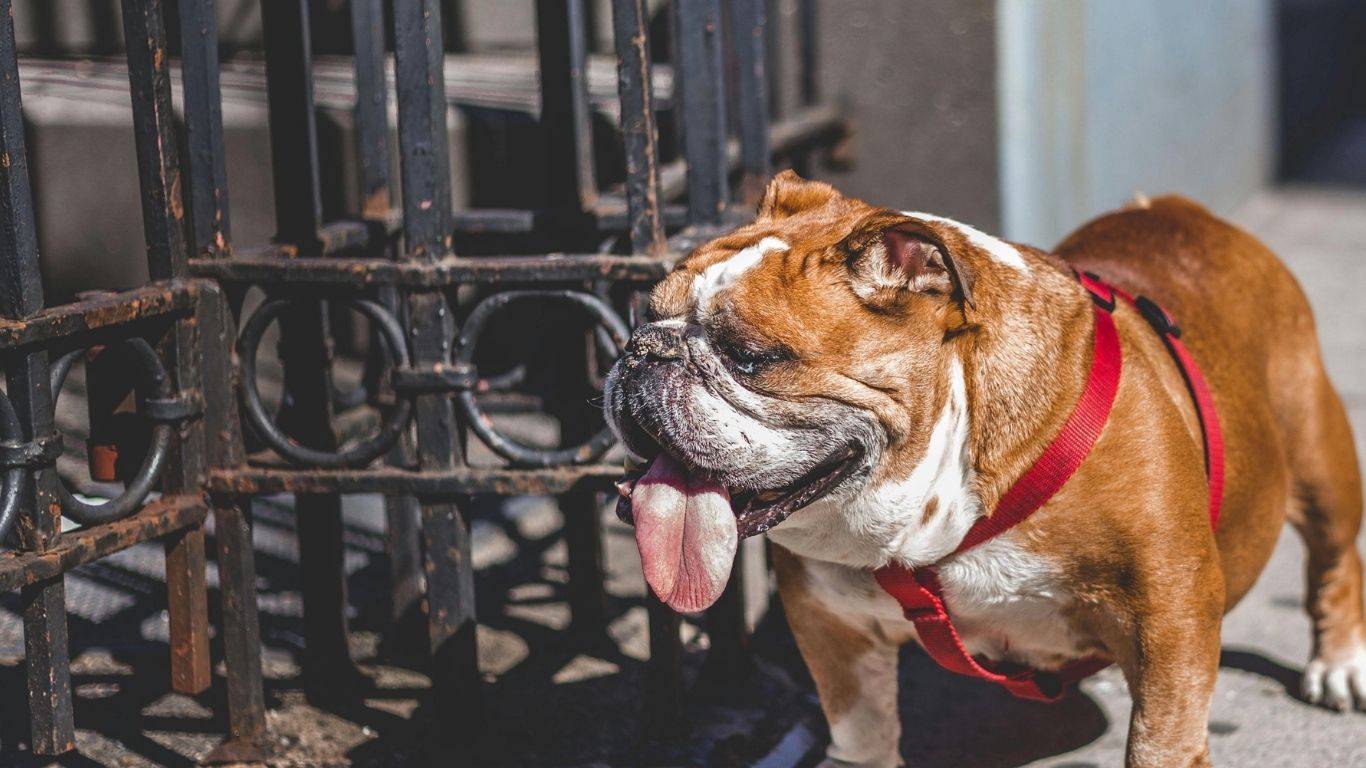
The American Bulldog is considered a powerful, loyal, and energetic dog breed, but like all breeds, it is prone to certain health concerns. Understanding American Bulldog breed health issues is crucial for every responsible pet owner to ensure their dog lives a long and healthy life.
This breed has a strong musculature and a heavy build, which can lead to issues with joints, skin, and breathing. A proper diet, regular exercise, and timely veterinary care can significantly help manage these health issues. In this blog, we will discuss the common health problems of the American Bulldog in simple terms.
Are american bulldogs generally healthy dogs?
American Bulldogs are a robust breed, but some health problems are common, such as hip dysplasia, skin allergies, and heart disease. Their average lifespan is 10-16 years. A balanced diet, regular exercise, and routine veterinary checkups are essential for keeping them healthy. Preventive care and genetic health screening can help mitigate these issues. Proper care and awareness are crucial for the health of American Bulldogs.
Common genetic health issues in american bulldogs
The American Bulldog is a powerful and muscular dog breed, but some genetic health issues are commonly seen in this breed. The most common problem is hip dysplasia, in which the hip joints do not develop properly. In addition, elbow dysplasia, skin allergies, and eye problems such as cherry eye are also found in American Bulldogs.
Some dogs have also been observed to have congenital deafness, which is a hearing impairment present from birth due to genetic causes.These health risks can be significantly reduced if the puppy is obtained from a trusted breeder and the parents’ health history is checked. Regular vet checkups, a balanced diet, and proper exercise help maintain the overall health of the American Bulldog for a long time.
Hip dysplasia: a major joint problem
Denniz Futalan via pexels
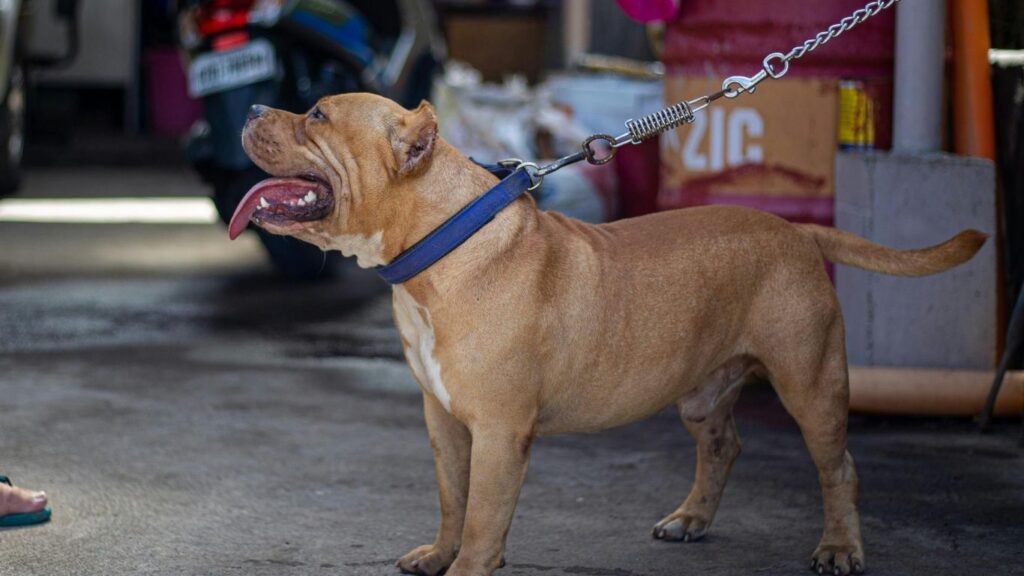
Hip dysplasia is considered one of the most common and serious joint problems in American Bulldogs. It is a genetic disorder in which the hip joint does not develop properly, causing pain and difficulty in movement for the American Bulldog.
This condition is also known as American Bulldog hip problems, dog joint pain, and canine hip dysplasia. Early symptoms include limping, difficulty getting up and down, and reluctance to exercise. A poor diet, obesity, and excessive physical activity can exacerbate the condition.
Proper dog nutrition, joint supplements for dogs, and balanced exercise help manage hip dysplasia. Timely vet checkups, X-ray examinations, and appropriate care can improve the American Bulldog’s mobility. Early intervention can help maintain a good quality of life for this breed for a longer period.
Elbow dysplasia and mobility issues
Despite the American Bulldog’s powerful build, they are prone to certain health challenges, with elbow dysplasia being a significant concern. This is a condition where the elbow joint doesn’t develop properly, leading to joint pain, stiffness, and mobility issues.
You might notice your dog becoming lethargic, reluctant to climb stairs, or limping. Early veterinary consultation and proper care, such as weight management and specific exercises, can be very helpful in managing this condition and keeping your bulldog active and happy. A little vigilance and a lot of love can go a long way in maintaining their quality of life.
Skin allergies and chronic itching problems
American Bulldogs often suffer from skin allergies and persistent itching. Their short, dense fur makes their skin sensitive. They can be allergic to dust, pollen, insect bites, or certain ingredients in their food, which can cause their skin to become red, swollen, and intensely itchy.
| Health Issue | Description |
| Hip Dysplasia | A genetic joint problem affecting the hip bones |
| Eye Problems | Includes cherry eye, cataracts, and irritation |
| Skin Allergies | Common due to sensitive skin and environmental factors |
| Elbow Dysplasia | Abnormal elbow joint development |
| Heart Conditions | Some Bulldogs may develop heart-related issues |
| Heat Sensitivity | Bulldogs struggle in hot weather |
This problem can also be seasonal. Although not usually serious, constant scratching increases the risk of skin infections. Therefore, it’s crucial to consult a veterinarian promptly to identify the cause of the allergy.
Brachycephalic breathing difficulties (mild cases)
The American Bulldog is not typically considered a brachycephalic (short-nosed) breed. This problem is more commonly seen in breeds like Bulldogs, Pugs, or Boston Terriers. However, some American Bulldogs may also experience mild respiratory issues.
Some dogs have a very short and flattened nose structure, which results in narrowed airways. This is called “brachycephalic airway syndrome.” In mild cases, the pet can perform normal daily activities, but even slight heat, excitement, or physical exertion can cause them to pant excessively.
They may also snore, make wheezing sounds, or be restless during sleep. In such cases, it is crucial to keep them in a cool environment, avoid strenuous exercise, and manage their weight. With a little care and attention, you can help your energetic companion live a comfortable and active life.
Obesity and weight-related health risks
The American Bulldog is a muscular and energetic dog breed, but due to improper feeding habits and lack of physical activity, they can quickly become obese. Obesity is considered a serious health issue in American Bulldogs, leading to several weight-related health risks.
Excess weight puts extra strain on their joints and bones, potentially causing joint pain and mobility issues. Overweight American Bulldogs are also prone to heart problems, breathing difficulties, and low energy levels. Obesity can also affect their lifespan and overall health. A balanced diet, portion control, and regular exercise can help manage and prevent obesity in American Bulldogs.

Eye problems seen in american bulldogs
Eye problems are considered a common health concern in American Bulldogs and should not be ignored. Conditions such as cherry eye, entropion, dry eye, and cataracts are frequently observed in this breed. Cherry eye causes the red gland inside the eye to protrude, while entropion involves the eyelids turning inward, potentially damaging the eye.
Dry eye results in insufficient moisture in the eyes, leading to irritation and redness. Timely dog eye care, regular veterinary check-ups, and appropriate treatment can help maintain the eye health of American Bulldogs and preserve their vision for a longer period.
Heart conditions to watch out for
The American Bulldog is a powerful and active breed, but in some cases, they may experience heart-related health problems. The most common heart issues in this breed include dilated cardiomyopathy, weakening of the heart muscle, and heart murmurs.
When the heart is unable to pump blood effectively, the dog may become easily fatigued, experience shortness of breath, and have reduced activity levels. These symptoms often develop gradually, making them difficult to detect in the early stages. Heart conditions in American Bulldogs are frequently linked to genetic factors or improper diet.
If your dog suddenly exhibits symptoms such as weakness, coughing, or fainting, it is crucial to contact a veterinarian immediately. Timely and regular health check-ups, a balanced diet, and appropriate exercise can significantly reduce the risk of heart disease.
Signs your american bulldog may be unhealthy
Andreas Schnabl via pexels
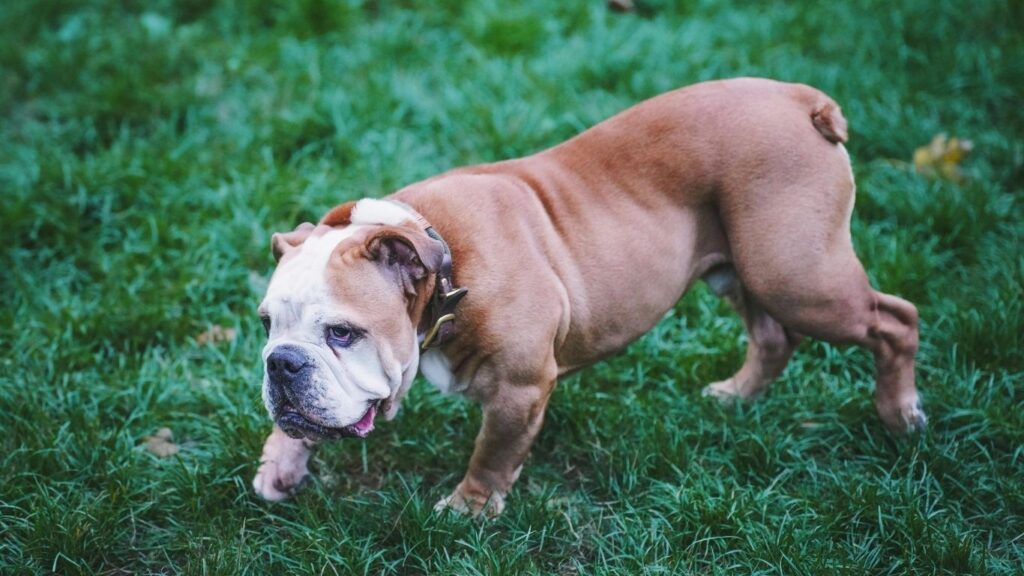
The American Bulldog is a powerful and energetic breed, but sometimes even small changes in their behavior and daily habits can indicate underlying health problems. If your dog suddenly becomes lethargic, avoids playing, or tires easily, this shouldn’t be ignored.
A decreased appetite, unusual weight gain, or weight loss can also be symptoms of American Bulldog breed health issues. Additionally, limping, pain when getting up or sitting down, excessive panting, or difficulty breathing point to a serious problem.
Frequent discharge from the eyes or ears, and itchy or red skin are also signs of illness. Consulting a veterinarian as soon as you notice any of these symptoms is the best course of action.
How to prevent common health issues
The American Bulldog is a strong and active breed, but without proper care, it can develop several health problems. To prevent common health issues, providing a balanced and nutritious diet is crucial for maintaining strong bones and muscles.
Daily exercise and regular walks help maintain joint health and control weight. Regular veterinary check-ups allow for early detection of genetic problems and infections.
In addition, proper hygiene, adherence to a vaccination schedule, and a stress-free environment also play a significant role in preventing health issues in the American Bulldog breed. With proper care, your dog can live a long and healthy life.
Diet and nutrition for a healthy american bulldog
The secret to the American Bulldog’s strong physique and robust health lies in a balanced and high-quality diet. Their diet should be based on protein-rich foods to support muscle development and provide energy. Obesity can be a major cause of joint problems and heart disease in this breed, so calorie control is essential.
Considering their digestive system, provide easily digestible food. Some American Bulldogs may also have allergies, so introduce new foods gradually. Consult your veterinarian to create an age and activity-appropriate diet plan with the correct balance of nutrients.
Exercise needs and physical care tips
The American Bulldog is an active and muscular dog breed, so daily exercise and physical care are essential. Daily walks of 30–60 minutes, light running, and interactive games improve the American Bulldog’s muscle strength and overall health.
Regular exercise reduces the risk of obesity, joint problems, and other health issues common to the American Bulldog breed. Physical care should include a balanced diet, grooming, nail trimming, and ear cleaning.
During the summer months, schedule exercise for the morning or evening to avoid heat stress. The right exercise routine and proper physical care help keep the American Bulldog fit, active, and healthy for a long time.
Importance of regular vet checkups
The American Bulldog is a powerful and active dog breed, but regular vet checkups are crucial for understanding and addressing potential American Bulldog breed health issues in a timely manner. Many illnesses, such as joint problems, heart issues, or skin infections, often don’t show outward symptoms in their early stages.
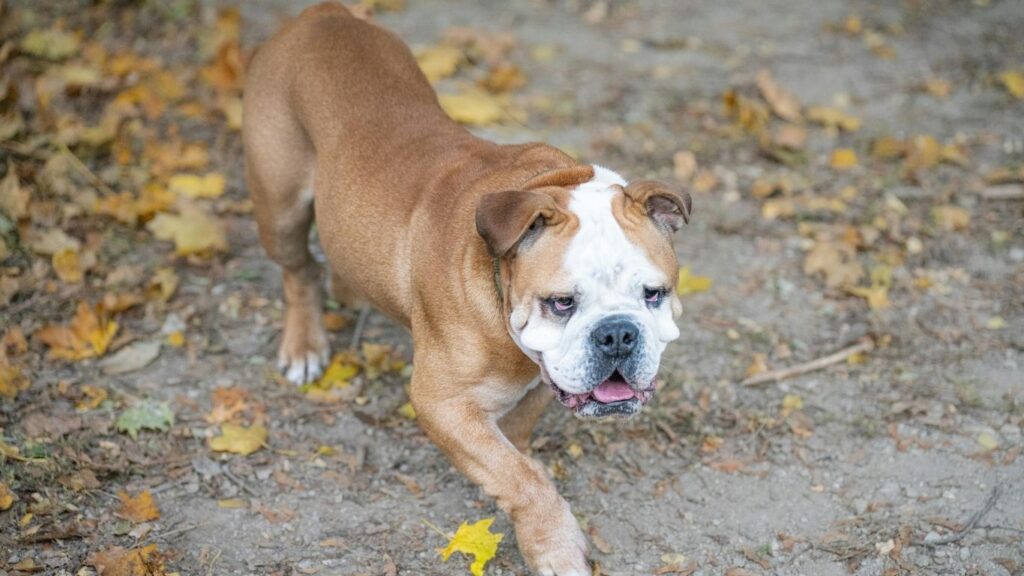
Andreas Schnabl via pexels
During routine checkups, the veterinarian thoroughly examines the dog’s weight, teeth, eyes, ears, and overall body condition. This makes it easier to detect any health problems early, leading to simpler and more effective treatment. Vet visits also provide opportunities for advice on regular vaccinations, deworming, and proper nutrition, which strengthen the American Bulldog’s immune system.
Furthermore, keeping health records updated helps prevent serious problems in the future. For a responsible pet owner, vet checkups are not just about treatment, but the best way to ensure their dog lives a long and healthy life.
FAQ
Do American bulldogs have health problems?
Yes, American Bulldogs are generally a strong and active dog breed, but they are still susceptible to certain health problems. Without proper care, they can develop conditions such as hip dysplasia, joint pain, skin allergies, obesity, and heart-related issues. Regular veterinary checkups, a balanced diet, and daily exercise can significantly reduce the risk of these problems. With proper care, American Bulldogs can remain healthy and energetic for many years.
What is the best diet for an American Bulldog?
The best diet for an American Bulldog should be balanced and nutritious. It should include high-quality protein (chicken, fish, lamb), healthy fats, and fiber-rich vegetables. Grain-free dog food or a raw diet are also good options, but always consult a veterinarian. Fresh water is essential, and avoid overfeeding to maintain a healthy weight. The right diet will keep them strong, energetic, and happy.
How many times should an American Bulldog eat?
The feeding frequency for American Bulldogs depends on their age:• Puppies (3-6 months): Three balanced meals a day.• Adolescents and young dogs: Two meals a day (morning and evening) in measured portions.• Adult dogs (1.5+ years): One or two meals a day, depending on their activity level and health.Always feed high-quality dog food and consult your veterinarian for precise portion sizes and feeding times.
Can an American Bulldog eat raw meat?
Yes, American Bulldogs can be fed raw meat, but it should be given with caution. Raw meat can sometimes contain harmful bacteria and parasites that can negatively affect a dog’s digestion and overall health. Some dogs can digest raw meat well if it is very fresh, clean, and given in appropriate quantities. However, consulting a veterinarian before regularly feeding raw meat is the safest option.