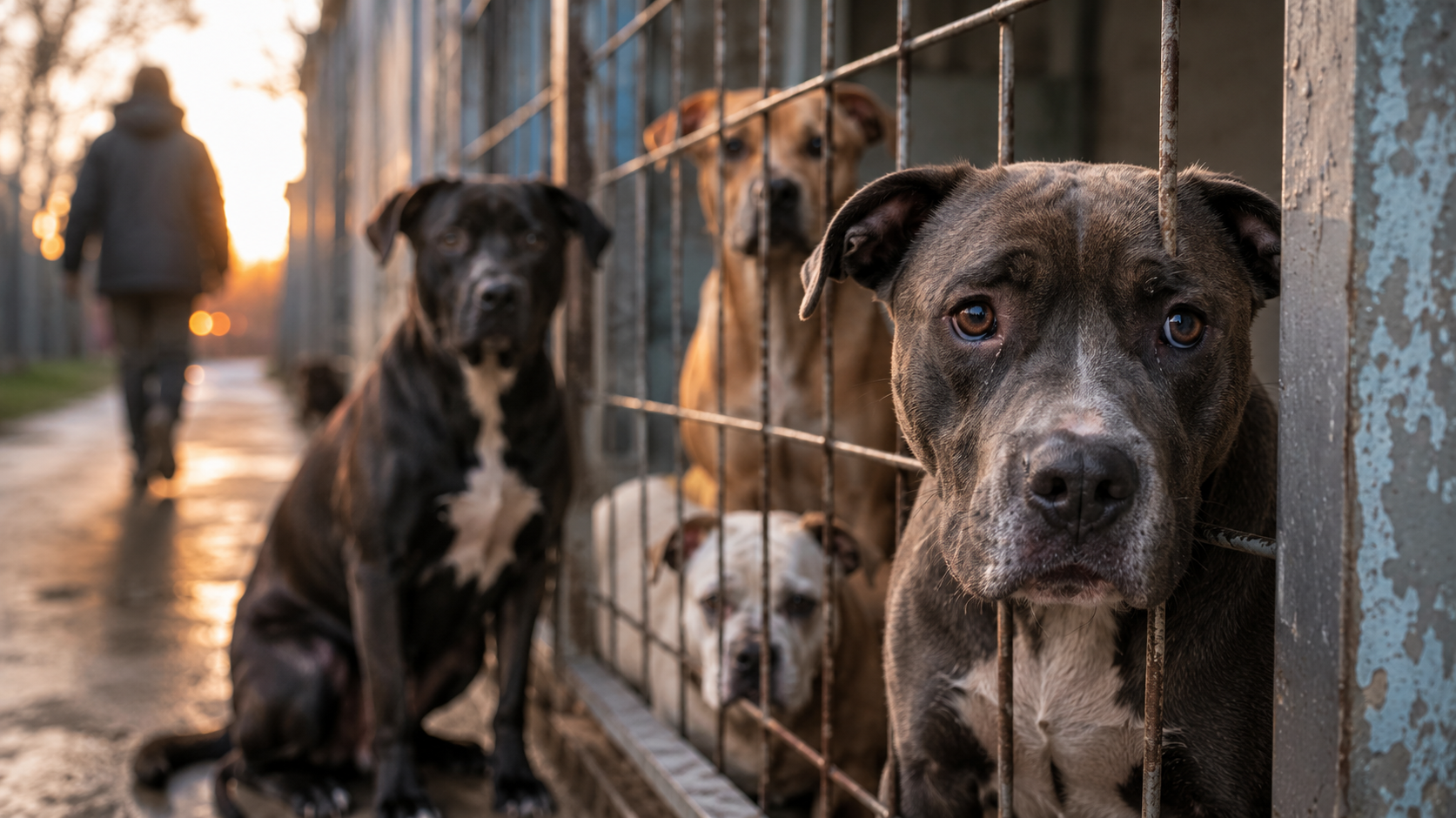
Every dog deserves a loving home, but the truth is — not every dog finds one easily. Shelters across the country are filled with wonderful animals waiting months, sometimes years, for someone to say yes.
But why do some dogs wait so long? The answer isn’t always about the dog being bad or dangerous. Often, it comes down to size, breed reputation, energy levels, or simply unfair stereotypes.
The hardest dogs to adopt are not broken — they’re just misunderstood. They need the right person, the right patience, and the right environment. In this blog, we’ll explore why certain dogs consistently get overlooked, and what really goes on behind those shelter kennel doors.
What do people consider before adopting a Dog
Adopting a dog is a big decision, and most people don’t just walk into a shelter and pick the first dog they see. There’s usually a lot of thinking involved before that final choice is made. People often wonder if their home is the right size, whether they have enough time to care for a pet, and how much a dog will actually cost them each month.
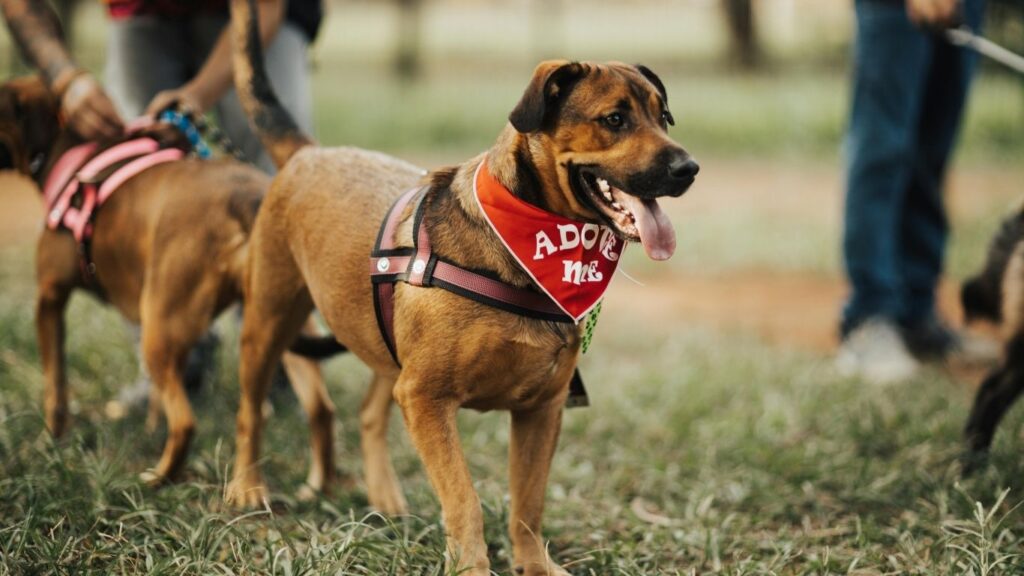
Some families worry about young children or other animals already living in the house. Energy levels matter too — a highly active dog might not suit someone who prefers quiet evenings at home. Past experience with dogs also plays a role. Ultimately, most people want a dog that fits naturally into their lifestyle without creating too much stress or disruption.
Why do large dogs have a harder time finding homes
Large dogs often get overlooked at shelters, and honestly, it’s not because they’re bad dogs. The truth is, most people worry about practical things. A big dog needs more space, eats more food, and costs more at the vet.
Many apartments and rental homes have strict pet size limits, which automatically cuts down the number of people who can even consider adopting them. There’s also a fear factor — not everyone feels comfortable bringing home an 80-pound dog, especially families with small kids. Additionally, on top of that, large breeds sometimes get unfair reputations for being aggressive or hard to control.
Shelters also struggle because big dogs take up more kennel space, which puts extra pressure on staff to move them quickly. All of these things combined make it genuinely harder for large dogs to find a loving home, even when they deserve one just as much as any small pup.
Why people tend to avoid aggressive or scary-looking dogs
When people walk into a shelter, their eyes usually go straight to the friendly, wagging tail or the soft, cute face. Unfortunately, dogs that look tough, anxious, or intense often get overlooked—not because they’re bad dogs, but because they seem risky.
A muscular build, a serious expression, or a past label like “aggressive” can scare off even experienced owners. The truth is, many of these dogs aren’t mean; they’re scared, misunderstood, or simply never had proper training. But fear sells faster than facts.
People worry about their kids, their small pets, or their own ability to handle a strong, reactive dog. So these “scary-looking” pups wait weeks, months, sometimes years—hoping someone will look past their rough exterior and see the loyal companion underneath.
Why high-energy dogs can be difficult to handle
High-energy dogs are often loving, intelligent, and fun to be around, but they can also be difficult for many families to manage. These dogs need a lot of daily exercise, playtime, and mental stimulation to stay happy and healthy.
If they do not get enough activity, they may become bored and start showing unwanted behaviors like chewing furniture, barking too much, digging, or jumping on people. Many first-time dog owners underestimate how much time and effort these active breeds require. Busy families or people living in small apartments may struggle to meet their needs, which can make adoption harder for these dogs.
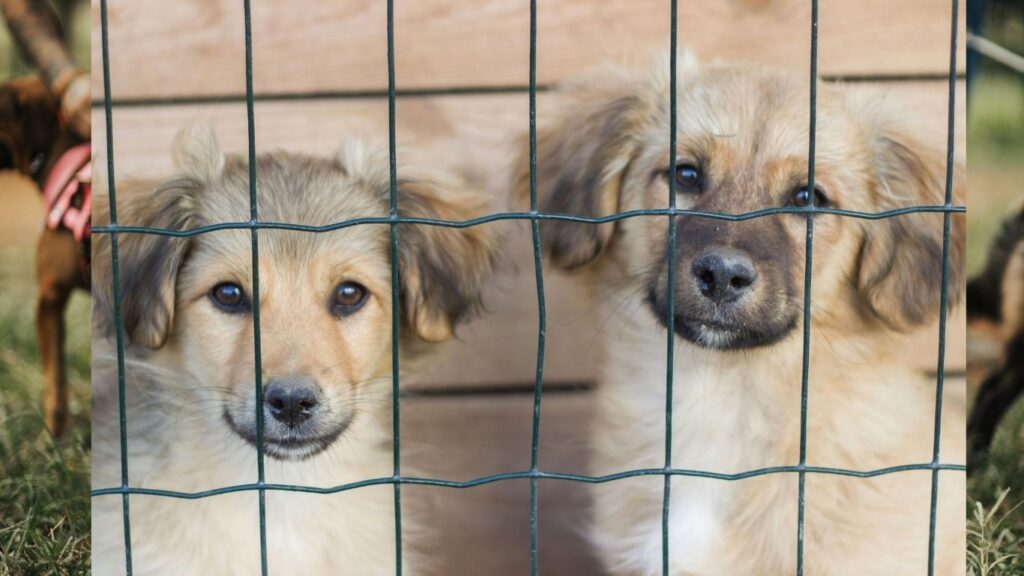
Breeds with high energy levels usually do best with active owners who enjoy outdoor activities such as running, hiking, or long walks. While these dogs can make amazing companions, shelters often find it challenging to place them in the right homes because not every adopter is prepared for their energetic lifestyle.
Why many people hesitate to adopt senior dogs
Many people love the idea of adopting a dog, but they often hesitate when it comes to senior dogs. Older dogs usually need more care, regular vet visits, and a calm environment, which can feel challenging for first-time pet owners.
Some people also worry that senior dogs may have health problems or may not live as long as younger dogs. Because of this, families often choose puppies or younger dogs instead. However, senior dogs can be incredibly loving, gentle, and well-behaved companions.
Most of them are already trained, quieter at home, and simply want a safe place where they can feel loved and comfortable. Sadly, these wonderful qualities are often overlooked in shelters. With patience, care, and kindness, adopting a senior dog can become one of the most rewarding experiences for any dog lover looking for a loyal friend.
Why adopting special needs dogs can be challenging for many families
Many families want to help dogs in need, but adopting special needs dogs can feel overwhelming for some people. These dogs may have physical disabilities, medical conditions, hearing or vision problems, or emotional trauma from their past experiences.
Caring for them often requires extra time, patience, regular vet visits, and sometimes costly treatments. Some families worry they may not have enough experience or resources to properly care for a dog with special needs. Others may fear the emotional stress of handling ongoing health issues.
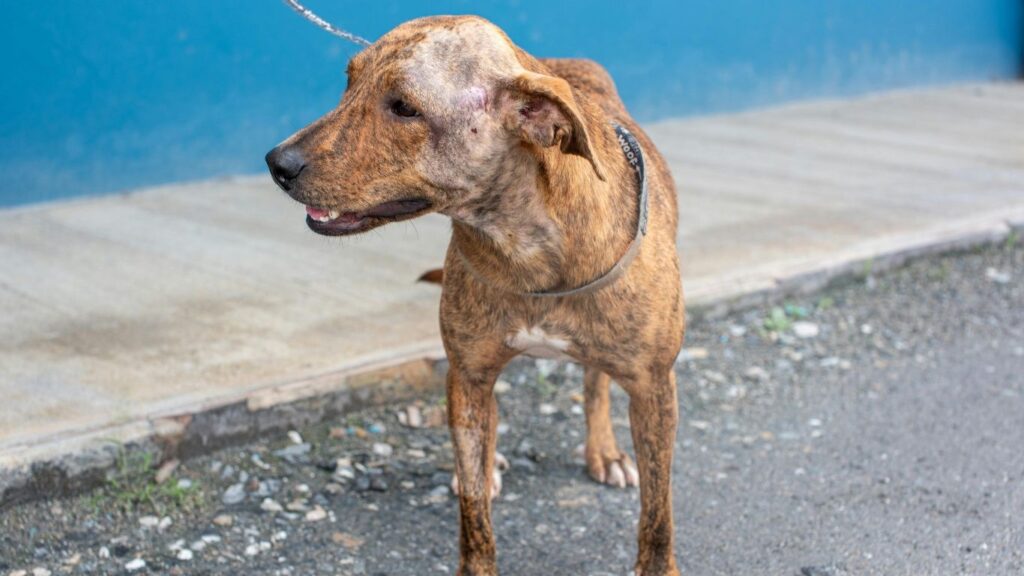
In homes with small children or busy schedules, people often choose dogs that seem easier to manage. Unfortunately, this makes it harder for special needs dogs to find loving homes, even though many of them are gentle, loyal, and deeply affectionate companions.
With proper care and understanding, these dogs can live happy lives and create incredibly strong bonds with the families who choose to adopt them.
Responsibilities people should be prepared for after adopting a dog
Adopting a dog is a long-term commitment, and every new pet owner should be ready for the responsibilities that come with it. Dogs need daily care, attention, love, and patience to feel safe and happy in their new home.
After adoption, owners must provide proper food, regular exercise, grooming, training, and routine vet checkups. Some dogs may also need extra time to adjust because of fear, anxiety, or past experiences. Financial responsibility is another important part of pet ownership, including medical care, toys, and quality food.
People should also be prepared to spend time building trust and creating a strong bond with their dog. Adopting a dog is not only about giving them a home — it is about giving them a stable, caring, and lifelong family. When people understand these responsibilities, dogs have a much better chance of living a happy and secure life.
Can difficult dogs become great family pets with the right training
Many dogs that are considered “difficult” can still become loving and loyal family pets when they receive proper training, patience, and care. Some dogs may have behavioural problems, high energy levels, fear, or a history of neglect, which can make adoption harder for them.
Positive reinforcement, daily exercise, socialisation, and clear routines help them feel safe and confident. Families who are willing to invest time in understanding a dog’s needs usually build a strong bond with them.
In many cases, difficult dogs become extremely protective, affectionate, and devoted companions once they learn to trust their owners. Adopting such dogs may require extra effort in the beginning, but the reward can be a happy and well-behaved pet that becomes an important part of the family for many years.
Essential tips for first-time dog adopters
Bringing a dog home for the first time is exciting, but it also comes with real responsibility. Before you adopt, take some time to think about your lifestyle — how active you are, how much space you have, and how many hours you can give to a pet each day.
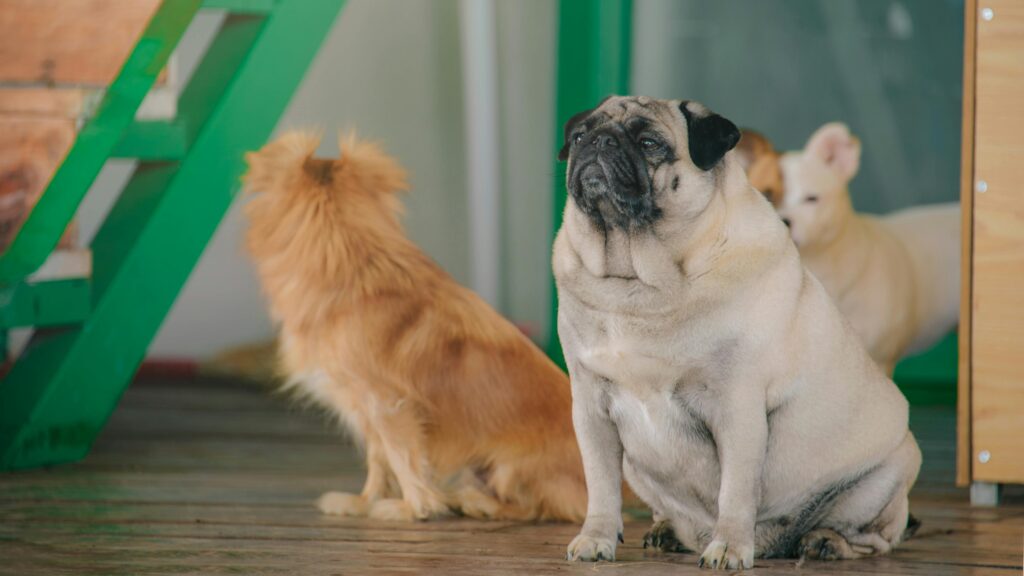
Not every dog fits every home, and that’s completely okay. Once you’ve chosen your dog, prepare your space in advance. Set up a cozy sleeping area, stock up on food, and remove anything that could be dangerous. In the first few days, give your new dog space to settle in without overwhelming them.
Be patient — some dogs take weeks to fully open up. Consistent routines, gentle training, and lots of positive reinforcement go a long way. Adoption is a commitment, but the bond you build makes every effort worthwhile.
FAQ
Dog adoption has become much harder in recent years due to several reasons. After the pandemic, millions of people wanted pets for emotional support, which emptied shelters quickly. Now fewer dogs are available. Shelters also conduct strict screening processes including background checks and home visits to ensure a safe environment. Additionally, better spay and neuter programs reduced stray dog populations. Rising veterinary costs have increased adoption fees too, making the whole process more competitive and time-consuming than before.
The seven common issues of adoption often include emotional adjustment, attachment difficulties, identity questions, trust problems, communication gaps, financial responsibilities, and social acceptance. Both adopters and adopted children may need time to build strong emotional connections and understand each other. Some children also struggle with past trauma or feelings of abandonment. With patience, love, proper support, and open communication, many families successfully overcome these challenges and create a happy, caring, and stable home together.
Adopting a pet can be a wonderful experience, but it also comes with some challenges. Many adopted animals may need extra time, patience, and training to adjust to a new home. Some pets can have health or behavioral issues from past experiences, which may increase care costs and responsibilities. Adoption also requires a long-term commitment, including regular food, medical care, exercise, and emotional attention. Families should be prepared for these responsibilities before bringing a pet home.
Jennifer Aniston has spoken positively about adoption and believes families can be created in many different ways. She has shared that love, care, and emotional connection matter more than traditional ideas of parenthood. Jennifer also encouraged people to stop judging women based on whether they have children. Her comments helped many people feel more comfortable discussing adoption, parenting choices, and the different paths people take to build happy and loving families.
Read Other Also
- Hardest Dogs to Take Care Of for Beginners – Breeds That Can Be Very Challenging
 If you are planning to bring home your first dog, it is important to understand that not every breed is easy to handle. Some dogs need extra training, daily exercise, constant attention, and … Read more
 - Top Hardest Dogs to Adopt in 2026 – Why These Dogs Struggle to Find Homes
 Every dog deserves a loving home, but the truth is — not every dog finds one easily. Shelters across the country are filled with wonderful animals waiting months, sometimes years, for someone to … Read more
 - Do Dogs Run Faster Than Humans? Surprising Facts About Dog
 Have you ever watched your dog zoom across the park and wondered if you could keep up? Most of us assume dogs are faster — and honestly, we’re usually right. But the full … Read more
 - Top10 strongest dog in the world 2026
 When people talk about strongest dog in the world , they often picture huge muscles and a fierce look. But strength isn’t just about size or who can pull the heaviest cart. A … Read more
 - Afghan hound dog pros and cons: the good, the gorgeous, and the stubborn
 Afghan Hound dogs are known for their strong senses, loyal nature, and unique personalities. Before choosing one as a pet, it’s important to understand what makes them special and where they may not … Read more
 - Afghan hound health problems hidden risks most owners ignore
 Afghan Hounds are known for their long, silky coats and elegant appearance, but like all purebred dogs, they can face certain health challenges. Understanding Afghan hound health problems is important for anyone who … Read more
 - Why are akitas banned? Truth, myths, and what most people get wrong
 What is an akita dog? A quick introduction Why are Akita banned? Before answering this question, let’s first understand the Akita breed. The Akita is a large and powerful dog breed that originates … Read more
 - Top 10 Beagle Pros and Cons for Families, First-Time Owners & Kids
 If you are thinking about bringing a Beagle dog into your home, choosing one just because of its cute looks may not be the best decision. Like every dog breed, Beagles have both … Read more
 - Why are akitas a restricted breed
 Akitas are powerful, dignified dogs known for their loyalty, intelligence, and strong presence. With their bear-like appearance and calm confidence, they often leave a lasting impression on anyone who sees them. However, despite … Read more
 - American bulldog breed health issues
 The American Bulldog is considered a powerful, loyal, and energetic dog breed, but like all breeds, it is prone to certain health concerns. Understanding American Bulldog breed health issues is crucial for every … Read more
 - Top 10 Biggest and Strongest Dog Breeds Ever Known to Man
 The world of dogs is filled with incredible breeds, but some stand out for their massive size, raw power, and commanding presence. “Top 10 Biggest and Strongest Dog Breeds Ever Known to Man” … Read more