

Afghan Hounds are known for their long, silky coats and elegant appearance, but like all purebred dogs, they can face certain health challenges. Understanding Afghan hound health problems is important for anyone who owns this breed or is planning to bring one home.
These dogs are generally strong and athletic, but their unique body structure and genetics make them more sensitive to some medical conditions. Issues related to digestion, joints, eyes, and skin are commonly seen in Afghan Hounds, especially as they age. Early awareness and regular veterinary care can make a big difference in keeping them healthy and comfortable.
By learning about Afghan hound health problems, owners can spot warning signs early, provide proper nutrition, and maintain a suitable lifestyle for this graceful breed. With the right care, Afghan Hounds can enjoy a long, happy, and active life.
Common Afghan Hound health problems
Afghan Hounds are the picture of elegance and grace, but like all purebreds, they can be prone to certain health conditions. Being aware of these common issues is key to giving your glamorous companion a long, happy, and healthy life.
| Health Problem | Common Symptoms | Prevention & Care |
| Cancer | Lumps, weight loss, weakness | Early detection, routine health screening |
| Skin Allergies | Itching, redness, rashes | Proper grooming, allergy-friendly diet |
| Hip Dysplasia | Limping, pain while walking, difficulty standing | Healthy weight, joint supplements, regular vet checkups |
| Cataracts | Poor vision, cloudy eyes | Regular eye exams, early treatment |
Their deep chest makes them susceptible to bloat (GDV), a sudden, life-threatening condition. Joint problems like hip dysplasia are a concern, as are hereditary cataracts that can affect vision. Additionally, they can suffer from a thyroid disorder called hypothyroidism, which impacts metabolism.
The good news is that responsible breeding and proactive veterinary care can manage or screen for many of these problems. Knowing what to watch for ensures you can fully enjoy the unique and loyal personality of this magnificent breed.

Genetic health issues in afghan hounds
The Afghan Hound is a picture of elegance and grace, known for its flowing coat and regal posture. However, behind this stunning appearance, the breed can be prone to certain inherited health conditions. As a responsible owner or admirer, understanding these potential genetic issues is key to ensuring these sensitive and dignified dogs live long, healthy lives.
This knowledge doesn’t overshadow their wonderful qualities but empowers us to provide them with the best care possible. In the following section, we’ll explore some of the Genetic Health Issues in Afghan Hounds, offering insights to help you nurture your canine companion’s well-being from puppyhood into their golden years.
Afghan Hound eye problems
Beyond their elegant, flowing coats, Afghan Hounds are known for their soulful, almond-shaped eyes. However, this beautiful feature can be prone to specific health concerns that every owner should watch for. Common issues include cataracts, which can cloud the lens, and progressive retinal atrophy (PRA), a degenerative disease that can lead to blindness.
Their deep-set eyes also make them somewhat susceptible to injuries or irritations. Regular, gentle checks for redness, cloudiness, or excessive tearing are essential. Scheduling annual veterinary eye exams is the best proactive step. Catching these conditions early can often help manage them effectively, ensuring your graceful companion enjoys a clear and bright-eyed view of the world.
Hip dysplasia in Afghan Hounds
Hip dysplasia is a hereditary joint problem that can affect Afghan Hounds as they grow. In this condition, the hip joint does not form properly, so the bones do not fit together smoothly.
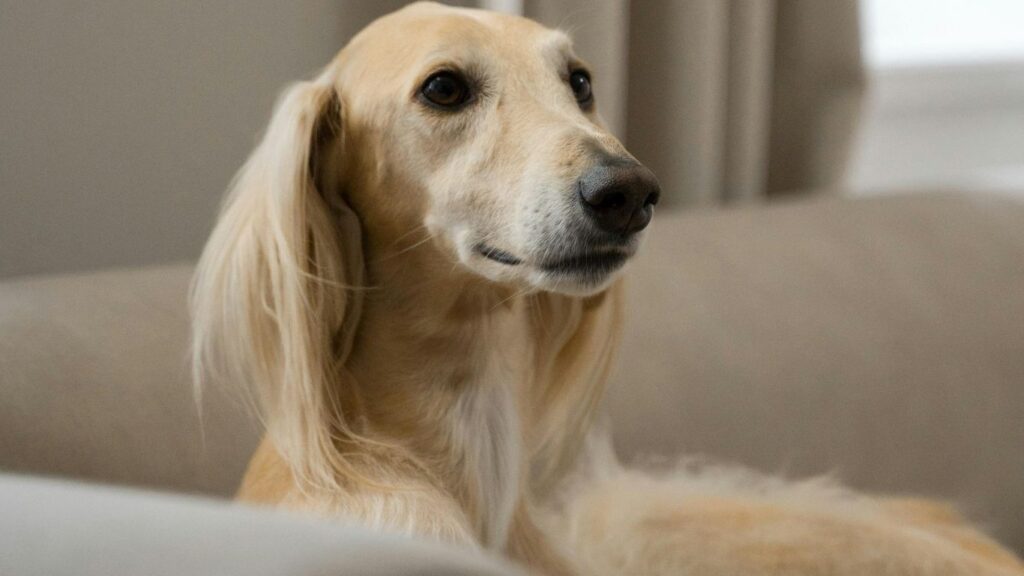
Over time, this can cause joint weakness, discomfort, and difficulty moving. Even though Afghan Hounds look slim and athletic, they can still develop this issue. Common signs include stiffness after resting, trouble climbing stairs, hesitation while running, and an unusual hopping movement while walking.
A veterinarian can diagnose hip dysplasia with physical exams and X-rays. Although it cannot be fully cured, the condition can be managed well. Keeping your dog at a healthy weight, giving gentle daily exercise, and using vet-recommended supplements or pain relief can improve comfort. In serious cases, surgery may be suggested. Ethical breeders test their dogs to reduce this condition in future generations.
Thyroid problems in Afghan Hounds
While their elegant appearance turns heads, Afghan Hounds can face an invisible health challenge: thyroid problems. Specifically, they are prone to hypothyroidism, a condition where the thyroid gland doesn’t produce enough hormones. This can silently affect your hound’s metabolism and overall well-being.
Keep an eye out for subtle signs like unexplained weight gain (despite normal eating), unusual lethargy or lack of energy, and noticeable skin and coat changes. You might see hair loss, a dry or brittle coat, or recurrent skin infections. Sometimes, behavioral shifts like increased anxiety can also be a clue.
Thankfully, managing this condition is straightforward. A simple blood test from your vet can confirm a diagnosis. With daily, affordable thyroid hormone replacement medication, your Afghan can return to their vibrant, healthy self and enjoy a full, active life by your side.
Afghan Hound skin and coat Issues
An Afghan Hound’s stunning, flowing coat is their crowning glory, but it can also be the source of specific health concerns. Their unique, silky hair is prone to tangling and matting, which can trap moisture and dirt close to the skin.
This creates a perfect environment for bacterial or fungal infections, often noticed as itchy, red patches or an unusual odor. Many Afghans also have sensitive skin, making them susceptible to allergies from food, pollen, or grooming products, leading to dryness and excessive scratching.
Regular, gentle grooming is non-negotiable—not just for beauty, but to monitor skin health. A sudden change in coat quality or persistent itching always warrants a vet visit to keep your elegant friend comfortable and radiant.
Digestive problems in Afghan Hounds
Afghan Hounds, with their regal beauty, can sometimes have sensitive stomachs. Their digestive systems can be surprisingly delicate compared to their hardy appearance. Common issues include food intolerances, sudden dietary changes upsetting their tummy, or a sensitivity to rich or fatty foods.
This might show up as occasional vomiting, loose stools, or general discomfort.The key is often consistency and careful observation. Sticking to a high-quality, well-balanced diet recommended by your vet and avoiding frequent food switches can make a big difference. It’s also wise to be cautious with treats and human food.
If digestive upset is frequent or severe, a veterinary check is essential to rule out specific allergies, parasites, or other underlying conditions. With a little extra attention to their diet, you can help keep your elegant companion feeling as good as they look.
How to prevent health problems in Afghan Hounds
While the elegant Afghan Hound is known for its flowing coat and regal appearance, this ancient breed has some specific health considerations. The good news is that many common issues are manageable and preventable with proactive care.

A major focus should be on their unique structure: maintaining a lean weight reduces stress on their prone joints, and daily, gentle exercise protects against injury. Their stunning coat requires consistent grooming to prevent painful skin mats and infections.
Further more, responsible breeders screen for hereditary conditions like cataracts and heart issues. Ultimately, the cornerstone of prevention is a partnership with your veterinarian, ensuring regular check-ups, a balanced diet, and a watchful eye on your graceful companion’s well-being.
FAQ
The Afghan Hound is a loyal but independent companion. They are gentle with their own family but sensitive to chaos, often better with older children. Their legendary coat requires hours of weekly grooming. A strong chase instinct means they need secure fencing. They suit a calm, patient home that appreciates their cat-like dignity more than eager-to-please obedience. For the right, dedicated family, they can be a wonderfully affectionate and serene pet.
An Afghan Hound puppy from a responsible breeder typically costs between $1,000 to $3,000. You may find them listed for up to $5,500 from top-tier breeders.A much cheaper option is adoption from a rescue, which can cost around $150 or more.
Yes, Afghan Hounds are intelligent, but in their own unique way. They are independent and clever thinkers, often showing resourcefulness. However, this independence can come off as stubbornness, making them less eager to please than some breeds. They learn commands quickly but may choose to ignore them if uninterested. So, while they are smart, their intelligence pairs best with patient, consistent training that respects their dignified nature.
Afghan hounds have a strong instinct to chase small, fast-moving animals, which can include cats. While they can learn to live peacefully with a family cat they are raised with from puppyhood, it requires careful, constant supervision and training. Their high prey drive means they may never be fully trustworthy around cats, especially unfamiliar ones. Successful cohabitation is possible but is not guaranteed and demands significant effort from the owner.