
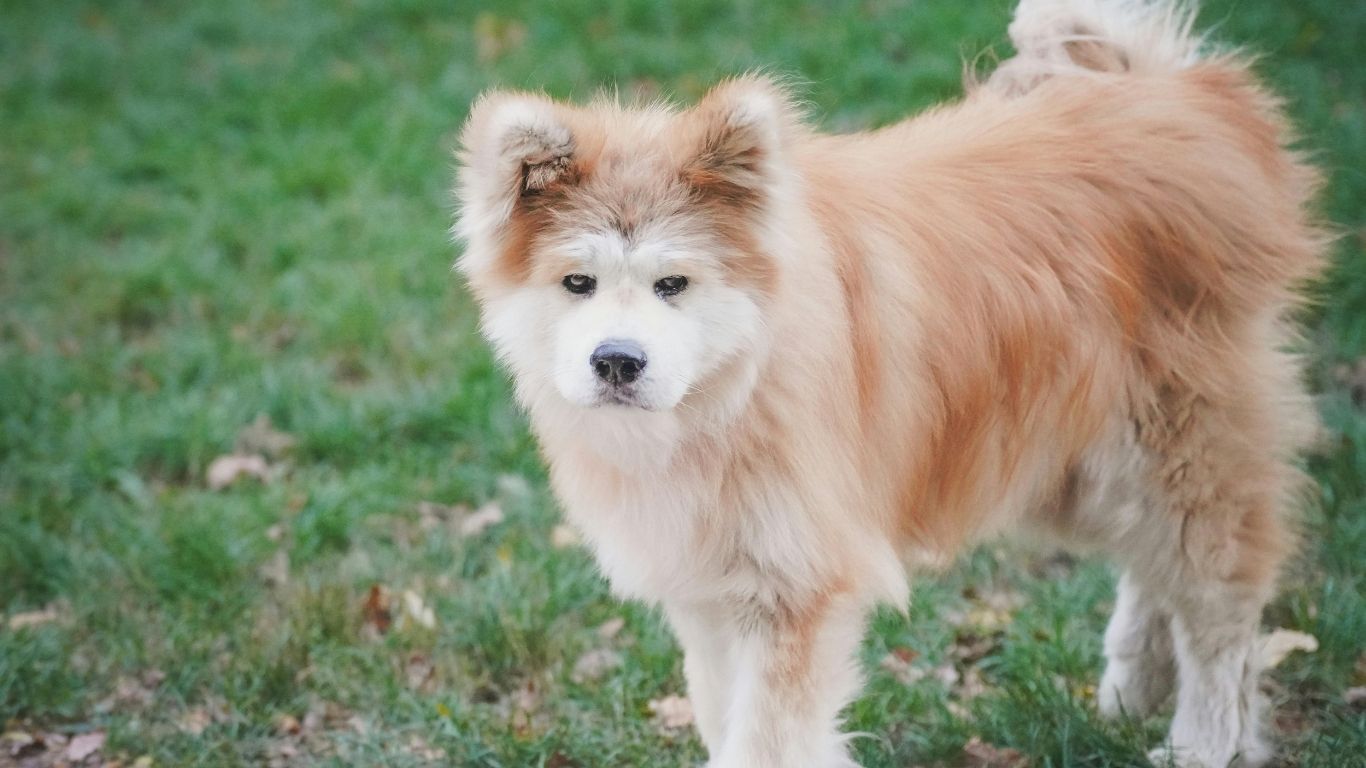
What is an akita dog? A quick introduction
Why are Akita banned? Before answering this question, let’s first understand the Akita breed. The Akita is a large and powerful dog breed that originates from Japan. They were first bred to guard homes and hunt big animals, which explains their strong and fearless nature.
Akitas are known for being loyal to their family, but they are also very independent and serious dogs. Unlike many playful breeds, they stay calm and alert most of the time. Because of their size and strength, Akitas need an experienced owner who understands dog behaviour.
Their guarding instincts can sometimes lead to aggression if they are not trained properly. This is why early socialization, clear rules, and regular training are extremely important. Without proper guidance, their protective nature can be misunderstood and seen as a risk.
Why are akitas banned in some countries
It’s a surprising reality for many dog lovers. Akitas are often targeted by breed-specific legislation (BSL) in certain cities and countries. The primary reason isn’t that they are inherently “bad” dogs, but rather that they are powerful, strong-willed animals with a history as guard and hunting dogs.
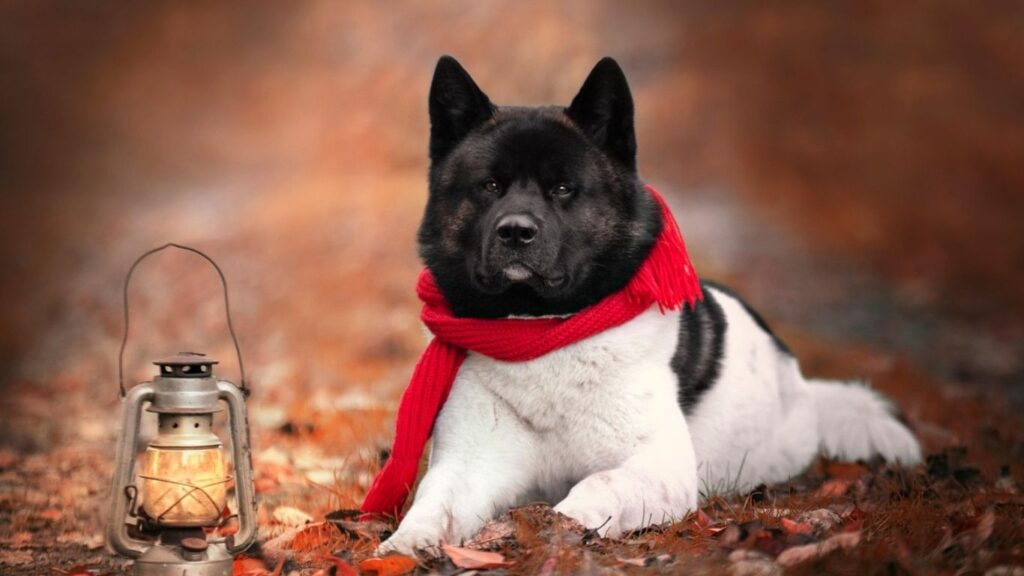
Their size, strength, and strong protective instincts can pose a risk if they are not raised by extremely responsible, knowledgeable owners. Some regions, concerned about public safety after incidents involving powerful breeds, implement blanket bans on Akitas and similar dogs.
Unfortunately, these laws often focus on breed rather than individual behavior and responsible ownership, which many experts agree is the more effective approach.
Are Akitas naturally aggressive or just misunderstood
Akitas are often labeled as aggressive, but the truth is more balanced. Akitas are not naturally violent dogs; they are strong, confident, and highly protective of their family. Because of their independent nature, they do not always show friendliness to strangers, which can be misunderstood as aggression.
In many cases, poor training, lack of socialization, or irresponsible ownership plays a bigger role than the breed itself. Akitas were originally bred as guard and hunting dogs, so they naturally stay alert and cautious. When raised with proper training, early social exposure, and consistent leadership, Akitas can be calm, loyal, and well-behaved companions.
Unfortunately, misunderstandings about their temperament have contributed to strict rules and bans in some places.
The role of size, strength, and protective instincts
Akitas are powerful, dignified dogs, but it’s this very combination of their physical traits and strong-willed nature that sometimes leads to housing or insurance restrictions. This subheading gets to the core of why. An Akita is a large, robust breed, often weighing over 100 pounds.
This sheer size and strength mean that any incident, even unintentional, can have serious consequences.More importantly, they possess a deep-rooted, instinctual drive to protect their home and family. While this makes them incredibly loyal, this guarding instinct can be misinterpreted.
Without proper socialization, training, and responsible handling, their natural wariness of strangers and other animals can become a liability. It’s not that Akitas are inherently “bad,” but their significant power and protective nature require an owner who is fully prepared, making them a challenging breed for casual or first-time dog owners.
Countries and places where akitas are restricted or banned
While Akitas are admired for their loyalty, dignity, and striking appearance, their powerful build and strong protective instincts can sometimes lead to legal restrictions. In certain countries, cities, or housing communities, they are classified under breed-specific legislation (BSL).
This means Akitas, often due to their history as formidable hunters and guardians, may be banned or require special permits, muzzle rules, or mandatory liability insurance.These laws vary greatly from place to place and are often controversial, focusing more on breed than on individual dog behavior.
For responsible owners, it simply means extra diligence. Before bringing an Akita home, it’s crucial to check your local regulations thoroughly to ensure a smooth life together for you and your dignified companion.
Past bite incidents and public safety concerns
Akitas are powerful, loyal dogs with a strong protective instinct. Unfortunately, their formidable strength and reserved nature, if not paired with expert handling and socialisation, can sometimes lead to serious incidents. Historical bite reports, often involving situations where the dog felt threatened or was poorly managed, have raised public safety concerns in some areas.
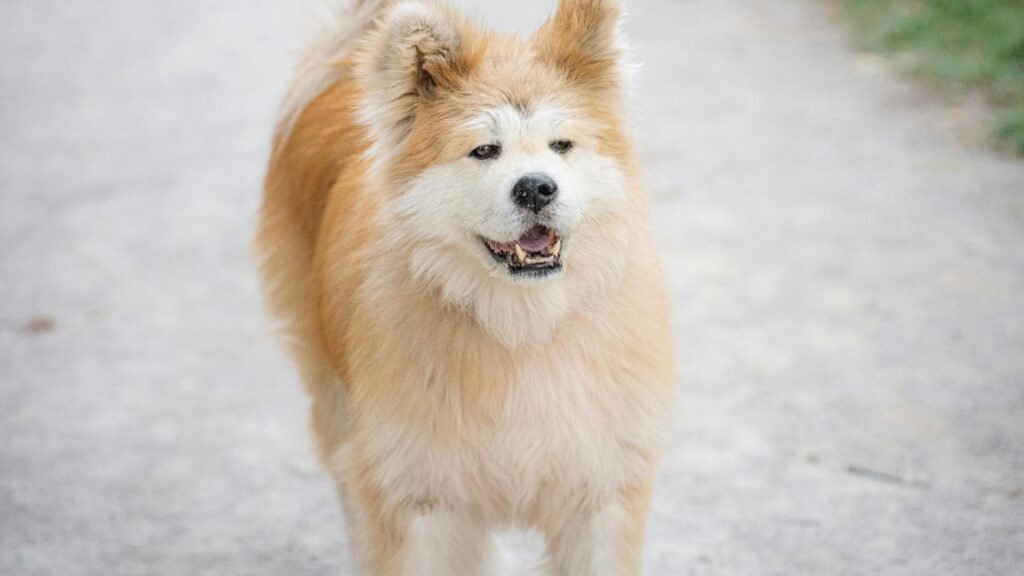
This has led certain housing communities, insurance companies, and even entire cities or countries to enact breed-specific restrictions or bans on Akitas. These policies aim to prevent future incidents, though many advocates argue that responsible ownership and individual dog assessment are more effective solutions than blanket bans.
Akita Temperament: loyal family dog or risky breed
The question “why are Akitas banned?” in certain housing complexes or cities stems from their powerful temperament. So, are they a loyal family dog or a risky breed? The answer is: they can be both.
Akitas are profoundly loyal, courageous, and clean dogs that form intense bonds with their families. However, their very strengths—their strong guarding instincts, natural wariness of strangers, and dominant personality—require expert understanding.
Without dedicated early socialization, consistent training, and an experienced owner, these traits can become challenging. Their size and strength mean any behavioral issue is magnified, leading some places to enact breed restrictions. Ultimately, the Akita is not a casual pet but a devoted companion for the right, prepared household.
How poor training and ownership lead to Akita bans
Many Akita bans are not caused by the breed itself, but by poor training and irresponsible ownership. Akitas are powerful, intelligent dogs that need early socialization, clear rules, and confident handling. When owners fail to train them properly or ignore their exercise and mental needs, these dogs can develop fear, frustration, or aggressive behaviors.
Inexperienced owners may also misunderstand Akita body language, which can lead to unsafe situations. Sadly, when incidents happen, the blame often falls on the breed instead of the lack of responsible care. Governments then respond by placing restrictions or bans to protect public safety. With proper training, positive reinforcement, and committed ownership, Akitas can be calm, loyal, and well-behaved family dogs rather than a public risk.
Can Akitas be safe pets with proper training
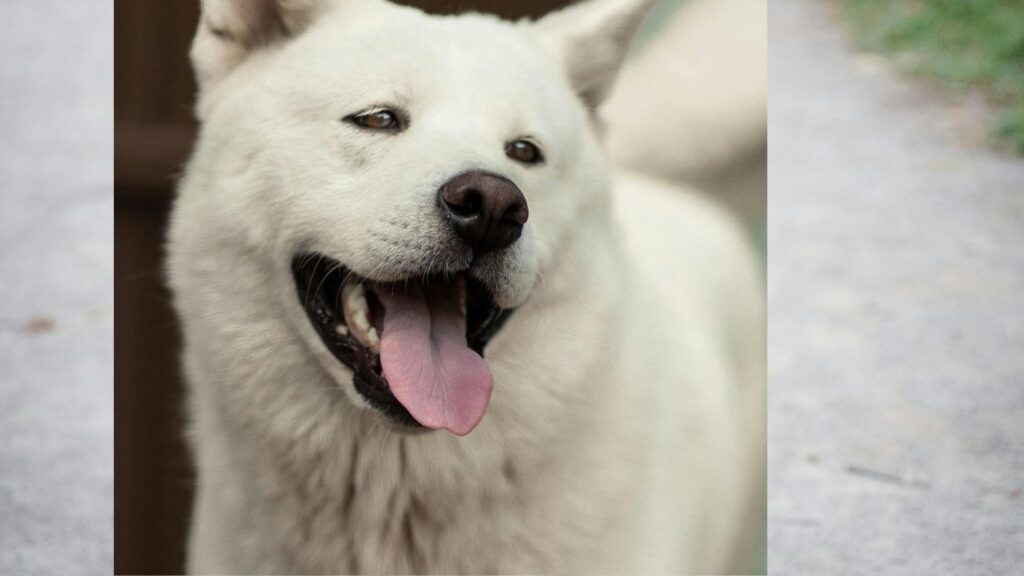
Akitas can be safe pets with proper training, early socialization, and responsible ownership. The Akita temperament is naturally loyal and protective, which is why Akita dog training should start at a young age. Many people ask, are Akitas dangerous, but most behavior issues come from poor handling, not the breed itself.
With positive training methods and regular exposure to people and other animals, a well-trained Akita dog can become calm and confident. Understanding Akita behavior with owners is important, especially their strong guarding instincts. When owners commit to consistent rules, exercise, and mental stimulation, the Akita can grow into a reliable family pet rather than a risky breed.
Akita vs other banned dog breeds: a comparison
Akitas are often grouped with other banned dog breeds, but there are important differences worth understanding. Breeds like Pit Bulls, Rottweilers, and Cane Corsos are usually banned due to repeated bite reports or their frequent use in illegal activities.
Akitas, on the other hand, are rarely banned for aggression alone. Their bans are mostly linked to their large size, strong guarding instincts, and independent nature. Unlike some banned breeds that show high energy and constant reactivity, Akitas are generally calm and reserved, especially around their families.
However, they can be territorial and wary of strangers if not properly socialized. This comparison shows that Akitas are not necessarily more dangerous, but they do require experienced ownership, clear training, and responsible handling—just like many powerful dog breeds.
Final Thoughts: Is Banning the Akita Breed Really the Right Decision
The question of banning Akita dogs is not as simple as it is often made out to be. A dog’s behaviour depends more on how it is raised, trained, and cared for by its owner than on its breed alone.
Akitas are loyal, intelligent, and naturally protective of their families. However, without proper training and early socialization, behavior issues can develop. In many places, bans were introduced because of a few past incidents and public fear, not because every Akita is dangerous.
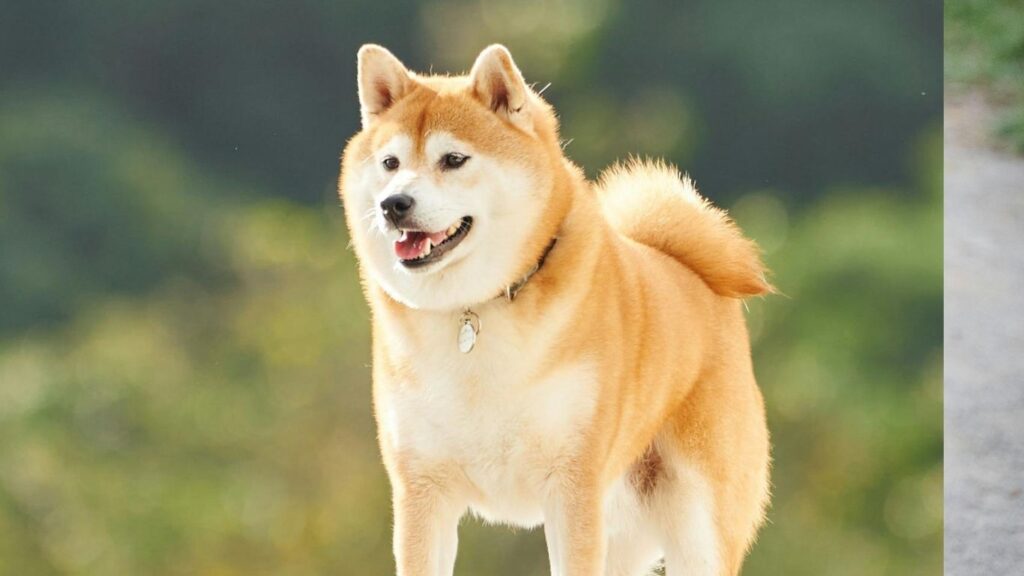
Labelling all Akitas as aggressive is unfair. Instead of banning the breed, the focus should be on responsible ownership, proper training, and awareness. This approach helps Akitas live safe, happy lives while also keeping communities secure.
FAQ
How aggressive is Akita?
Akitas are not naturally aggressive, but they are strong-willed and very protective dogs. They were originally bred to guard and hunt, so they can be cautious around strangers and dominant with other dogs. An Akita’s behavior depends heavily on early socialization, consistent training, and responsible ownership. When raised properly, Akitas are calm, loyal, and well-mannered family dogs. Problems usually appear when they lack training, boundaries, or positive human guidance.
Will Akitas protect you?
Yes, Akitas are naturally protective of their owners and families. They have strong guarding instincts and are very loyal to the people they trust. An Akita will often stay alert and watchful, especially around strangers or unfamiliar situations. However, they usually protect through presence and awareness rather than unnecessary aggression. With proper training and socialization, Akitas can be calm, confident protectors who know when to stay relaxed and when to be alert.
Can an Akita be a police dog?
While Akitas are loyal, courageous, and strong, they are not typically chosen as general-purpose police dogs. Police work demands high obedience, ease of training, and a strong drive to work closely with handlers—traits more consistent in breeds like German Shepherds. Akitas have an independent and sometimes stubborn nature, which can make them less suitable for the coordinated tasks required. However, their protective instincts can excel in specific roles like guarding.
Which dog is stronger, Akita or German Shepherd?
When comparing strength, the Akita is generally considered stronger than the German Shepherd in terms of raw power. Akitas have a heavier build, thicker bones, and more muscle, which gives them greater physical strength. German Shepherds, however, are more agile, faster, and have higher endurance. While Akitas rely on power, German Shepherds use intelligence, speed, and training, especially in working roles like police or service dogs.