
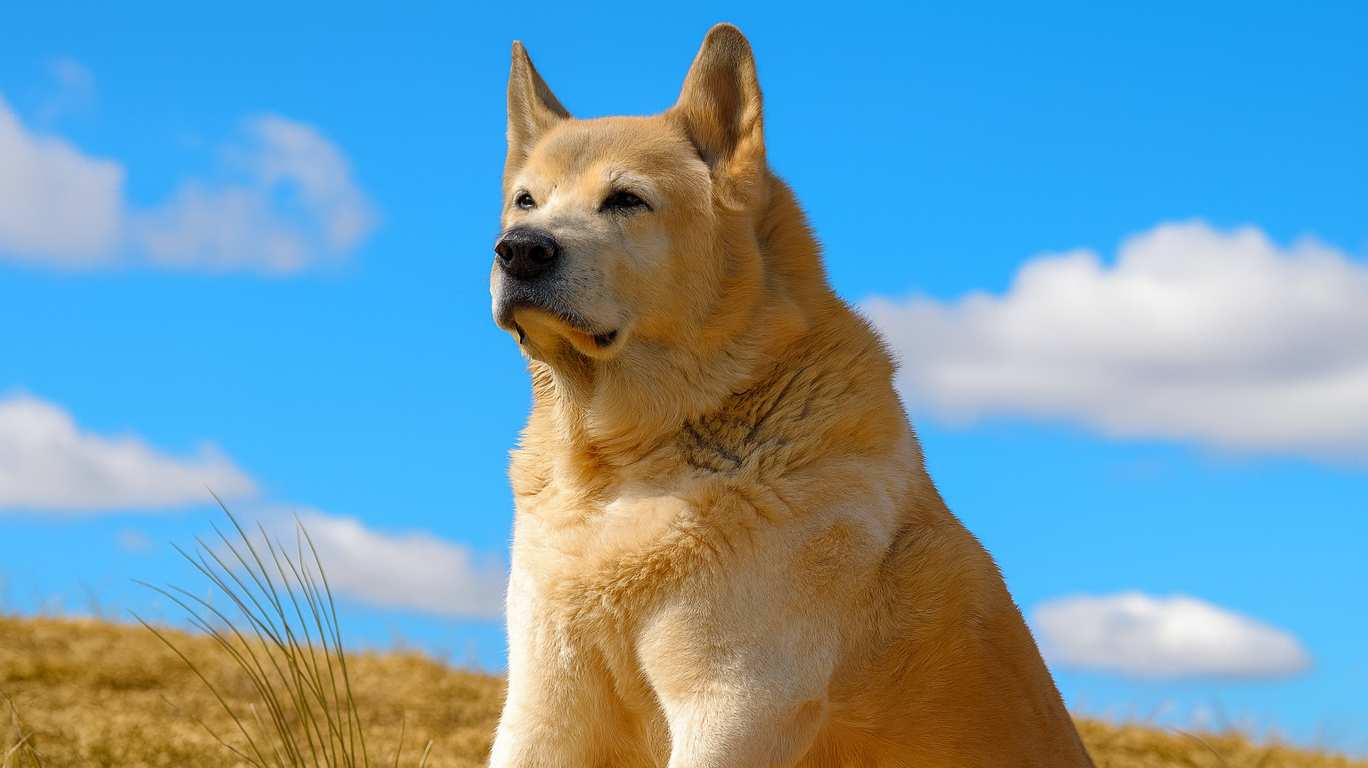
Akitas are powerful, dignified dogs known for their loyalty, intelligence, and strong presence. With their bear-like appearance and calm confidence, they often leave a lasting impression on anyone who sees them.
However, despite their noble traits, Akitas are not allowed everywhere, and this often raises an important question among dog lovers: Why are Akitas a restricted breed? The answer isn’t as simple as labeling them “dangerous.”
Breed restrictions usually come from misunderstandings, past incidents, and the fact that Akitas require experienced handling, proper training, and responsible ownership. In this article, we’ll explore the real reasons behind these restrictions and separate myths from facts about this remarkable breed.
Understanding what restricted breed really means
The term “Restricted Breed” can feel like a heavy, final label—a sign that says “proceed with caution” on a beloved pet. For many dog lovers, it sparks confusion and even a bit of heartache. But what does it truly mean beyond the stereotypes and headlines? This blog isn’t about fear or judgment; it’s about understanding.
We’ll gently unpack this complex term, looking beyond the breed name to explore the real factors—like responsible ownership, training, and individual personality—that truly determine a dog’s place in our homes and communities. Let’s move past the label and discover the fuller story together, for the sake of all our furry friends.
The powerful history behind the akita breed
That title – “Why are Akitas a restricted breed” – is a question many potential owners face. To understand it, we must look to “The Powerful History Behind the Akita Breed.” This isn’t about a flawed temperament, but rather the profound legacy they carry.
Bred for centuries in Japan as formidable hunters of bear and boar, and later as revered guardians, the Akita was shaped for strength, courage, and intense loyalty. This same noble history that makes them so magnificent also means they possess a strong, independent will and a powerful protective instinct.
Many housing communities and insurance providers list them as “restricted” because they require an owner who fully understands and can responsibly channel that powerful heritage through dedicated training, socialization, and secure containment. It’s a policy born from respecting their capabilities, not fearing them.
The role of poor training and irresponsible ownership
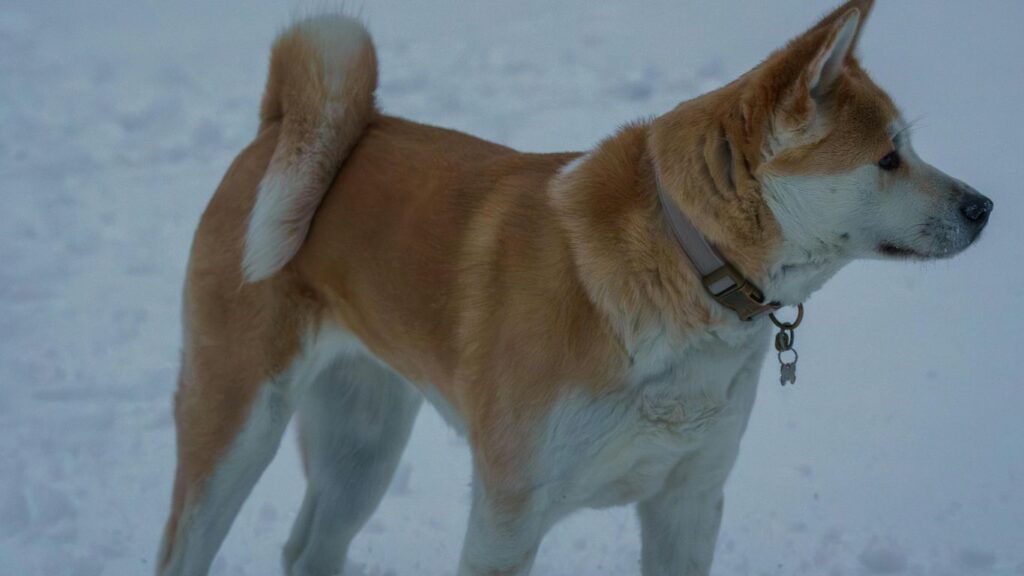
While the title “Why are Akitas a restricted breed” often leads to heated debate, the truth is rarely about the dog itself. Akitas are powerful, dignified, and naturally reserved dogs with a strong protective instinct.
Breed-specific legislation often targets them not because they are inherently vicious, but because their magnificent traits can become dangerously amplified in the wrong hands.This brings us to the core issue: The Role of Poor Training and Irresponsible Ownership. An Akita is not a casual pet. Without early, extensive socialization and consistent, knowledgeable leadership, their wariness can turn into reactivity, and their strength can become unmanageable.
Irresponsible owners who fail to provide structure, or worse, encourage aggressive behavior, create situations where tragedies can occur. The restrictions, therefore, are often a blunt instrument aimed at preventing the severe consequences of matching a powerful, complex breed with an unprepared owner. They are a breed that deserves immense respect and commitment, not a placeholder for a lifestyle they cannot fit.
Are akitas naturally Aggressive or to Just independent
You might have come across rules in apartments, insurance policies, or even entire cities that classify the majestic Akita as a “restricted breed.” This often stems from their powerful physique and a protective history as hunters and guardians in Japan.
Their strong-willed, independent nature—while a treasured trait for owners—can be misunderstood. An Akita isn’t inherently aggressive toward people, but their natural reserve with strangers and high prey drive toward other animals require a specific kind of understanding.
Without proper socialization and consistent, experienced training, their guarding instincts and size can become a liability. This potential for harm, however small with a responsible owner, is why many places implement restrictions. It’s less about labeling them as “bad dogs” and more about recognizing they aren’t a casual pet for everyone.
Why some countries and cities place legal restrictions on akitas
Akitas, known for their loyalty and noble presence, are unfortunately subject to breed-specific legislation (BSL) in some places. This isn’t a reflection on any individual dog’s temperament, but rather a blanket policy based on the breed’s physical traits and historical role.
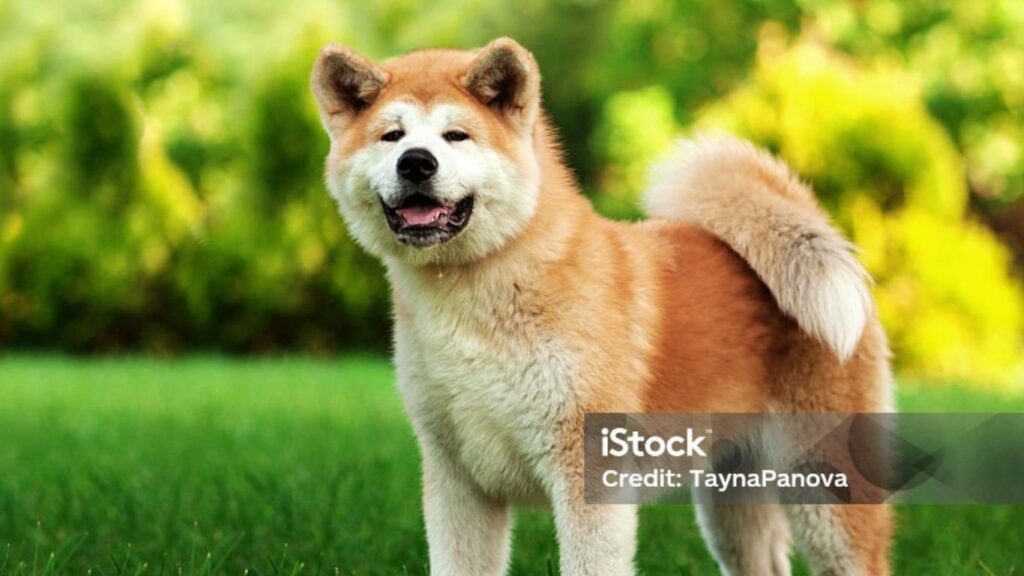
Primarily, these laws focus on Akitas’ size, strength, and powerful protective instincts. Bred for guarding and hunting large game, they are naturally reserved and can be wary of strangers and other animals.
In the wrong hands—without proper socialization, training, or responsible ownership—this potential for protective behavior can be mismanaged, leading to serious incidents.While well-raised Akitas are magnificent companions, lawmakers in certain cities and countries enact restrictions as a preemptive public safety measure.
These rules can range from mandatory muzzling in public to outright bans. It’s a controversial approach, as many experts argue it unfairly penalizes responsible owners and well-behaved dogs rather than addressing the root cause: irresponsible ownership.
Can a well-trained akita be a safe family dog
Many people ask, “Why are akitas a restricted breed?” One big reason is that Akitas are powerful, independent, and very protective by nature. But this does not mean they can never be good family dogs. Can a well-trained Akita be a safe family dog? The answer depends on training, socialization, and the owner’s experience.
| Reason | Short Explanation |
| Dog Aggression | Akitas may not get along with other dogs without early socialization. |
| Protective Nature | Akitas are very protective, which can look aggressive if not trained well. |
| Independent Behavior | They are strong-minded and don’t always obey easily. |
| Strong & Powerful | Their size and strength make them hard to handle for beginners |
| Legal Restrictions | Some countries include Akitas under breed-specific laws for public safety. |
A well-trained Akita that grows up with proper guidance can be calm, loyal, and deeply attached to its family. Early socialization helps the dog understand children, guests, and everyday situations. Consistent training also teaches the Akita how to control its strength and instincts.
However, this breed is not ideal for first-time dog owners. Akitas need firm but kind leadership, clear rules, and daily mental stimulation. When raised in the right environment with responsible owners, a well-trained Akita can be a loving and reliable family companion.
Myths vs reality: the truth about akita dogs
Many people believe Akitas are dangerous, aggressive, or impossible to control, but this is only half the story. In the debate around Why are Akitas a restricted breed, myths often speak louder than reality. The truth is, Akitas are strong, independent, and very protective dogs, which can be misunderstood as aggression.
In reality, they are calm, loyal, and deeply devoted to their owners when raised the right way. Problems usually start when Akitas are poorly trained, not socialized early, or owned by people who don’t understand the breed’s nature.
Another common myth is that Akitas cannot live with families, but many Akitas thrive in loving homes with responsible owners. Restrictions exist mainly because of their power and guarding instincts—not because they are bad dogs. With proper training, patience, and respect, Akitas can be gentle, trustworthy, and incredibly loyal companions.
Is an akita the right dog for you
Before choosing this powerful and loyal breed, it’s important to understand why are Akitas a restricted breed in many places. Akitas are not naturally aggressive, but they are strong, independent, and very protective of their family.
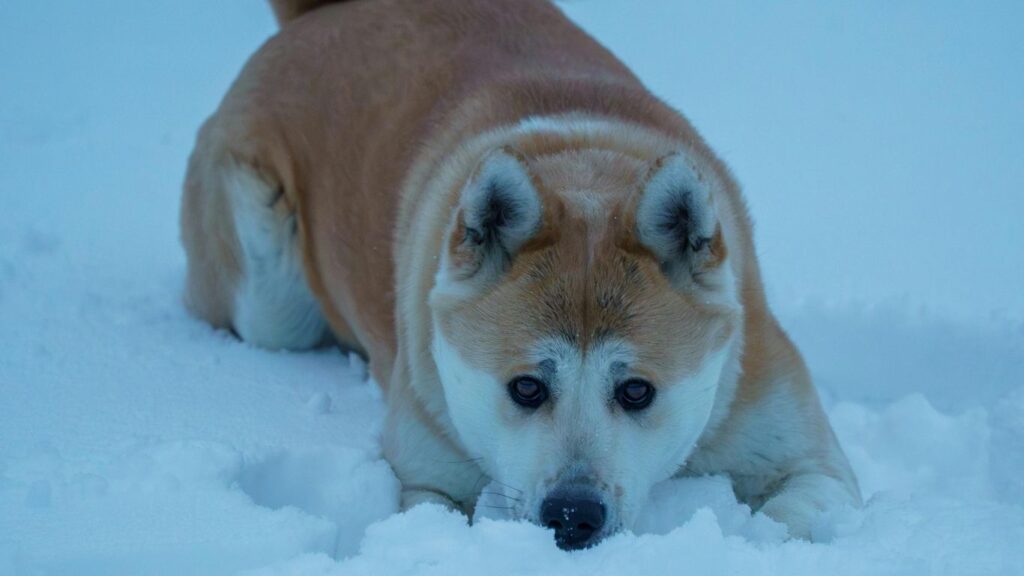
This makes them a better match for experienced dog owners rather than first-time pet parents. An Akita needs consistent training, early socialization, and a confident owner who can provide clear leadership. They are usually calm and affectionate with their family, but can be reserved or cautious around strangers and other animals.
Akitas also need enough space, daily exercise, and mental stimulation to stay balanced and happy. If you are patient, committed, and ready to invest time in training and care, an Akita can become a deeply loyal and trustworthy companion. However, if you prefer an easygoing or low-maintenance dog, this breed may not be the right choice for you.
FAQ
Akitas often get labeled as aggressive due to their strong, protective nature. Bred as noble guardians in Japan, they are intensely loyal to their family but naturally reserved and wary of strangers and other dogs. Their powerful build and independent, strong-willed personality mean they require confident, experienced handling and early, consistent training. Without proper socialization, their guarding instincts can be misunderstood, leading to their tough reputation.
The most surrendered dog breed is often Pit Bull–type dogs. This does not mean they are bad dogs. Many are given up because of housing restrictions, breed bans, lack of training, or owners not understanding their needs. Pit Bulls are strong, energetic, and need proper care and socialization. When owners are unprepared, they choose surrender instead. With the right home, Pit Bulls can be loyal, loving, and gentle family dogs.
Akitas are powerful and devoted dogs, but they are not perfect. One common challenge is their independent nature, which means they may not always listen quickly during training. They tend to be cautious around strangers and can be dominant with other dogs. Akitas also require consistent exercise and attention; without it, they may become restless or show unwanted behaviors at home.
Akitas don’t become aggressive at a fixed age, but behavioral changes often appear during adolescence, around 8 months to 2 years old. This is when they mature, become more confident, and may show dominance or territorial instincts. Without proper training and early socialization, these traits can look like aggression. With consistent leadership, positive training, and regular exposure to people and other animals, most Akitas grow into calm, well-balanced adult dogs.